
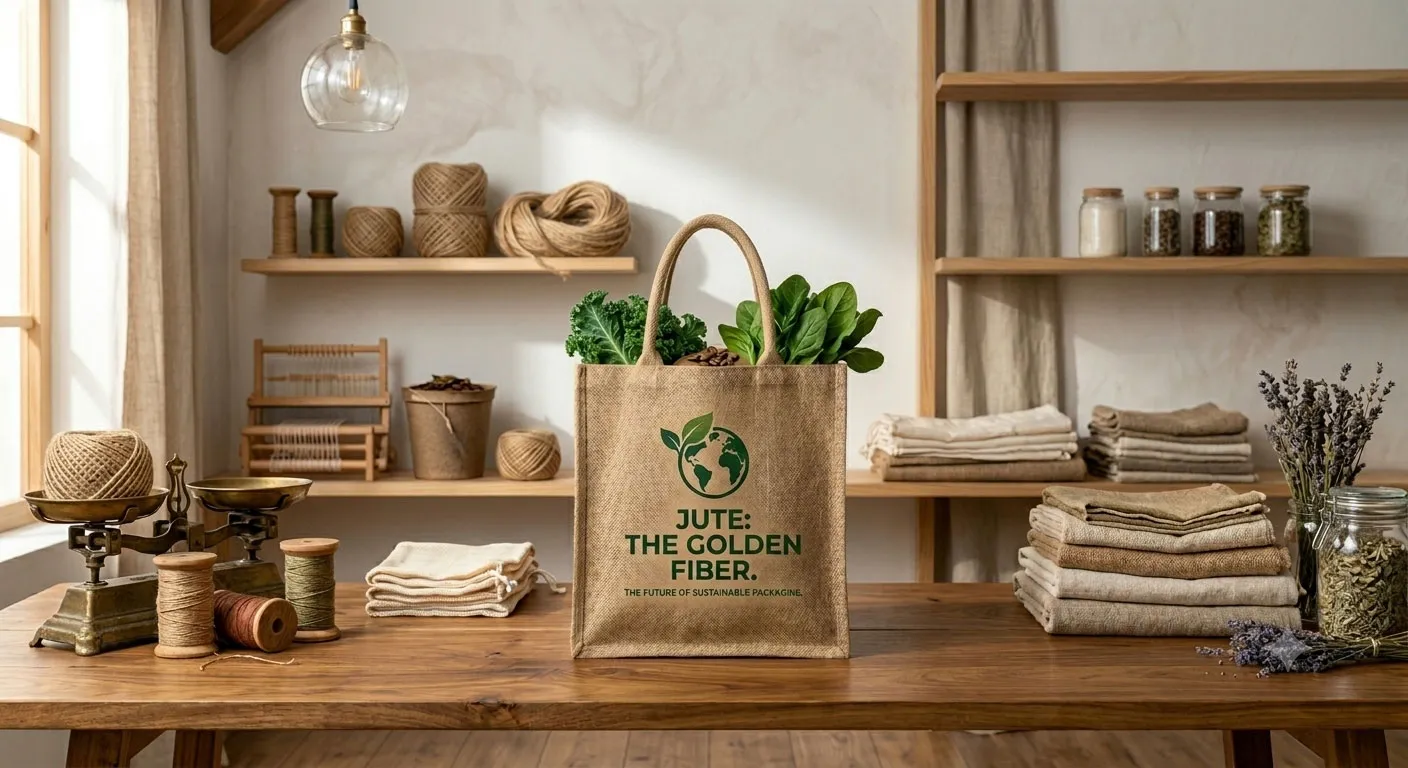
Why Jute Bags Are the Future of Sustainable Packaging
The global demand for sustainable packaging solutions has accelerated as businesses and consumers seek environmentally responsible alternatives to traditional materials. Among the many eco-friendly options available today, jute bags have gained significant popularity due to their natural composition, durability, and sustainability. Often referred to as the golden fiber, jute is becoming a preferred choice for packaging solutions that balance functionality with environmental consciousness.
Understanding the Growing Need for Sustainable Packaging
Packaging plays a vital role in product protection, transportation, and branding. However, traditional packaging materials, especially plastics, contribute significantly to environmental pollution. As awareness of these challenges increases, industries are actively exploring sustainable alternatives that reduce ecological impact.
Jute bags provide an effective solution by offering reusable and biodegradable packaging that supports environmental goals. Their natural origins and low environmental footprint make them a valuable component of modern sustainable packaging strategies.
Natural and Environmentally Responsible Material
Jute is a natural fiber derived from plant sources and is recognized for its eco-friendly properties. Unlike synthetic materials that require extensive processing, jute grows quickly and can be cultivated with relatively minimal environmental impact.
Its biodegradable nature ensures that it returns to the environment naturally after disposal, reducing long-term waste accumulation. This characteristic makes jute bags particularly attractive to businesses seeking sustainable packaging options that align with environmental responsibility initiatives.
Durability and Long-Term Value
Despite being a natural fiber, jute offers remarkable strength and durability. Jute bags are capable of carrying substantial weight while maintaining their structural integrity over extended periods.
This durability enables repeated use, which significantly enhances their sustainability benefits. Instead of being discarded after a single use, jute bags continue serving practical purposes for months or even years. Their long lifespan contributes to reduced resource consumption and lower overall packaging waste.
Premium Appearance for Modern Branding
Today's consumers increasingly associate sustainability with quality and authenticity. Jute bags provide a natural and sophisticated appearance that appeals to environmentally conscious customers.
Businesses across retail, fashion, gifting, and promotional sectors utilize jute bags to reinforce their commitment to sustainability. Their distinctive texture and premium aesthetic create a positive impression while enhancing brand perception. Many companies choose customized jute bags to combine environmental responsibility with effective marketing and brand visibility.
Driving the Future of Eco-Friendly Packaging
Governments, organizations, and consumers worldwide are encouraging the adoption of sustainable materials. As regulations surrounding plastic usage become stricter, businesses are actively seeking packaging solutions that support compliance while meeting customer expectations.
Jute bags align perfectly with these emerging trends. Their combination of sustainability, durability, and visual appeal positions them as a future-ready packaging solution. As environmental awareness continues to grow, jute bags are expected to play an increasingly important role in transforming global packaging practices.
Conclusion
Jute bags represent more than just an alternative to conventional packaging. They symbolize a shift toward environmentally responsible business practices and conscious consumer choices. Their natural composition, durability, premium appearance, and sustainability advantages make them a powerful solution for modern packaging needs. As industries continue moving toward greener operations, jute bags are well positioned to shape the future of sustainable packaging worldwide.